
Why CSR Needs to Evolve—Especially for Persons with Disabilities
Let’s start with something most of us can agree on.
CSR comes from a good place.
People don’t wake up wanting to design programs that fail communities. Most CSR leaders genuinely want to help, to give back, to do something meaningful with the resources they’ve been entrusted with.
And yet, here’s the uncomfortable question worth asking—calmly, respectfully, but honestly:
If a CSR program helps today but leaves people dependent tomorrow, is it truly doing its job?
This isn’t an attack on intention.
It’s a question about outcomes.
Where CSR Quietly Gets Stuck
For decades, CSR has leaned heavily on a familiar formula:
- Donations
- Outreach programs
- Relief activities
- One-off support initiatives
These efforts matter, especially in emergencies. But when they become the default approach—year after year—they can unintentionally create a ceiling for the very people they aim to support.
This is especially true for Persons with Disabilities (PWDs).
PWDs are often included in CSR programs as recipients of help, but rarely included as contributors to economic value. They receive goods, services, and assistance—but not enough access to training, work, or income-generating opportunities.
Not because they lack ability.
But because CSR systems were rarely designed with contribution in mind.
That distinction matters more than we think.
The Language We Use Shapes the Impact We Create
Here’s a small but important observation.
In CSR conversations, we often use the word beneficiaries.
It’s a well-meaning term. But it also subtly frames people as receivers, not participants. As those who benefit, not those who build.
Over time, this language shapes program design.
Programs built for beneficiaries tend to:
- Deliver help
- Measure reach
- End when funding ends
Programs built for contributors tend to:
- Build skills
- Create accountability
- Sustain impact beyond funding cycles
The difference isn’t just semantic.
It’s structural.
And it’s especially relevant when working with PWD communities.
What Happens When CSR Trusts PWDs With Real Work
There’s a quiet shift that happens when CSR moves from assistance to livelihood.
PWDs are no longer seen as people who need protection from work, but as people who need access to it.
When that shift happens:
- Expectations rise
- Dignity follows
- Confidence grows
- Dependency decreases
This isn’t theory. It’s observable.
Livelihood-based programs consistently show stronger outcomes in:
- Mental well-being
- Family stability
- Community participation
- Long-term independence
Work doesn’t just provide income.
It restores agency.
And agency is the foundation of inclusion.
Why This Matters for CSR Leaders Today
CSR leaders today are under a different kind of pressure than before.
Employees are asking harder questions.
Younger talent is watching closely.
Customers are sensitive to performative impact.
The question is no longer:
“Did we do CSR this year?”
It’s:
“Did our CSR actually change something that will still matter next year?”
This is where livelihood-based CSR quietly stands out.
It doesn’t replace donations.
It complements and strengthens them.
It moves CSR from episodic generosity to systemic empowerment.
A Better Question to Ask Moving Forward
Instead of asking:
“How many people did we help?”
What if we asked:
“How many people can now stand on their own?”
That single shift changes everything.
It changes how programs are designed.
It changes what success looks like.
It changes who holds dignity in the process.
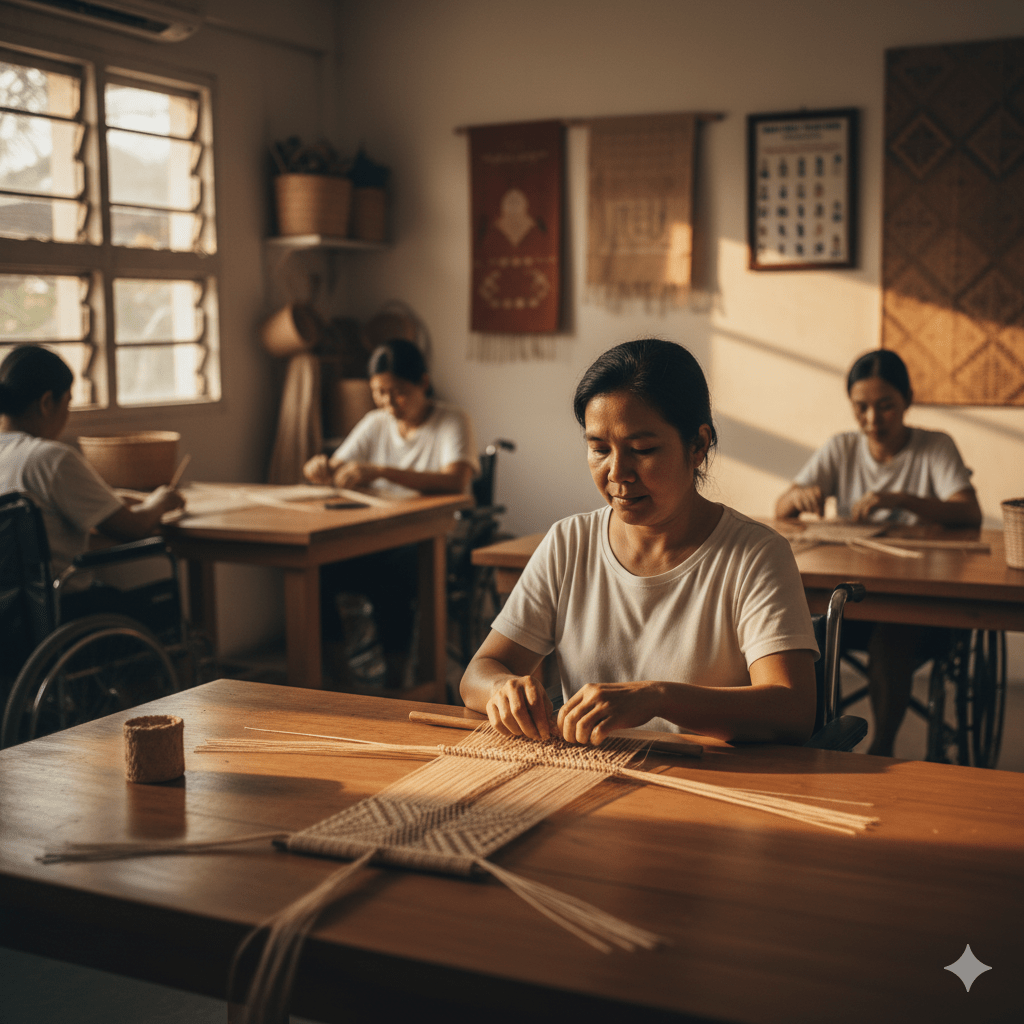
This is where inclusive livelihood programs—like those supporting PWD artisans through Hands in Harmony—become powerful examples. Not because they are perfect, but because they demonstrate a different assumption:
That PWDs are capable of contributing economic value when given access, training, and trust.
This Isn’t About Criticizing CSR. It’s About Maturing It.
CSR doesn’t need to be defensive about this conversation.
It needs to be curious.
Mature systems evolve.
Responsible leadership adapts.
The shift from “helping” to “empowering” is not a rejection of compassion—it’s compassion refined by experience.
It says:
“We still care deeply.
And we’re ready to do better.”
A Thought Worth Debating
So here’s a question worth sitting with—and perhaps debating in the comments:
If our CSR programs make people comfortable today but capable tomorrow, are we aiming high enough?
Because real inclusion doesn’t end with access.
It begins with contribution.
And perhaps the most respectful thing CSR can do—especially for Persons with Disabilities—is not to protect them from work, but to open the doors to it.
That’s not charity.
That’s trust.
And trust is where real impact begins.
 Hands in Harmony
Leave a comment