
— And the Surprising Reason Why
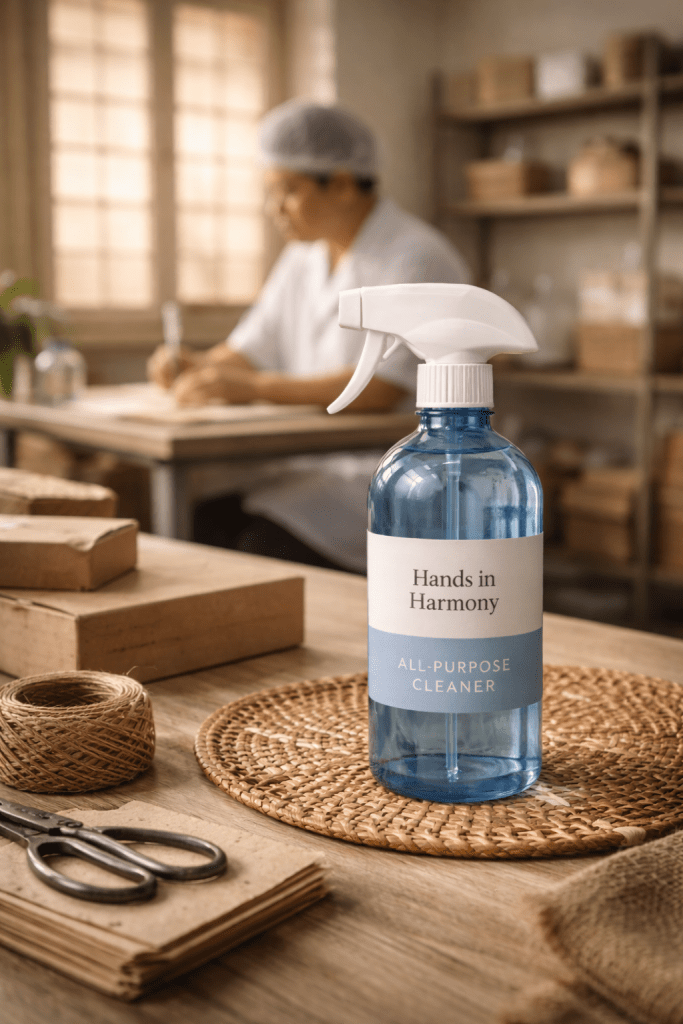
The problem didn’t start with advocacy.
It started with frustration.
You know the kind.
Products that look good at first but don’t last.
Supplies that arrive inconsistent from batch to batch.
Items that are “cheap” upfront but costly in the long run because they need constant replacing.
If you’ve ever handled procurement, corporate gifting, or even household buying, you know this pain well. The market is full of options, but surprisingly short on products that simply work—consistently, reliably, without drama.
That was the situation we found ourselves in.
We weren’t looking to support a cause.
We weren’t searching for a feel-good purchase.
We just needed products we wouldn’t have to rethink every time we ordered again.
When Convenience Stops Being Convenient
At first, we did what everyone does.
We ordered from the usual suppliers. Big catalogs. Familiar names. Competitive prices. Everything looked fine on paper.
But then came the follow-ups.
“May kulang po sa delivery.”
“Next batch medyo iba ang quality.”
“Out of stock ulit.”
Suddenly, convenience wasn’t convenient anymore.
Every reorder became a question mark. Would the quality match the last batch? Would the finish be the same? Would we have to explain again why the items didn’t quite look like the previous order?
Consistency—something you expect as a basic requirement—started feeling like a luxury.
What We Were Really Looking For (Even If We Didn’t Say It Out Loud)
When we paused and looked at the pattern, the problem became clear.
We weren’t chasing the lowest price.
We weren’t chasing trendiness.
We were chasing reliability.
Products that:
- Look the same every time
- Meet the same standard every batch
- Can be ordered again without stress
- Don’t need excuses when delivered
In short, we wanted products we could trust.
That’s when we came across a small supplier we hadn’t considered before. No loud branding. No dramatic backstory upfront. Just a simple catalog and a quiet confidence in their work.
We decided to try one small order.
The First Order That Didn’t Raise Questions
The products arrived.
Clean.
Well-finished.
Neatly packed.
Nothing flashy. Nothing exaggerated. Just… solid.
The real test came later—when we placed the second order.
Same finish.
Same quality.
Same attention to detail.
And then the third order.
No surprises.
No excuses.
No “pasensya na.”
That’s when it hit us:
this wasn’t luck—this was process.
Why These Products Worked (When Others Didn’t)
Over time, we realized what set these products apart wasn’t marketing. It was discipline.
The items were clearly made by people who took pride in doing things right—measuring carefully, following standards, and repeating the same process every time.
In a market obsessed with speed and shortcuts, this approach felt almost old-fashioned.
And yet, it worked.
The products didn’t beg for attention. They earned trust quietly—one delivery at a time.
That’s why we kept reordering.
The Detail We Didn’t Notice at First
Only later did we learn something unexpected.
The people behind the products were Persons with Disabilities—trained artisans working under a livelihood program.
This wasn’t presented as a selling point.
It wasn’t used as an emotional hook.
It was simply… information.
And oddly enough, it explained everything.
The focus.
The consistency.
The care in execution.
These weren’t “advocacy products.”
They were professional products, made by people who valued the work itself.
Why This Matters (But Doesn’t Need to Be the Headline)
Here’s the important part.
We didn’t keep reordering because the products were made by PWDs.
We kept reordering because the products were good.
The fact that our purchases also supported sustainable livelihoods?
That was the bonus—not the reason.
And that’s exactly why this model works.
When products stand on their own merit:
- Buyers return without guilt
- Support becomes sustainable
- Livelihoods aren’t dependent on sympathy
This is how social impact lasts—when it doesn’t rely on pity to survive.
The Outcome Nobody Had to Be Convinced About
Over time, something interesting happened.
We stopped “trying to support.”
We just kept buying.
The livelihood program behind the products didn’t need constant reminders or emotional appeals. Demand spoke for itself.
More orders meant:
- More stable work for artisans
- More predictable income for families
- More confidence in production planning
Impact didn’t come from a campaign.
It came from consistency.
What This Changed in How We Buy
This experience quietly shifted how we evaluate products now.
We ask better questions:
- Will this hold up over time?
- Can we reorder without worrying?
- Does this supplier take quality seriously?
And yes—when the answers are right, it matters to us who made the product.
Not because we feel sorry.
But because we respect good work.
A Different Way to Support (Without Forcing It)
If you care about social causes and Persons with Disabilities, here’s something worth considering:
Support doesn’t always have to feel like support.
Sometimes, the most powerful way to help is to:
- Buy good products
- Pay fair value
- Reorder when quality delivers
When you choose products made by PWDs because they perform well, you help create livelihoods that don’t depend on charity.
You help normalize inclusion—quietly, naturally, sustainably.
The Simple Choice That Makes a Real Difference
You don’t need to change how much you care.
You just need to be intentional about where you spend.
Look for products that stand on quality first.
If they also support livelihoods and social enterprises, even better.
Because when work comes first and impact follows, everyone wins.
And sometimes, the best way to support a cause
is simply to keep reordering.
 Hands in Harmony
Leave a comment