
The problem didn’t start with social impact.
It started with disappointment.
You order a product. It looks great. You’re impressed. You even recommend it.
Then you place the second order.
And that’s when things quietly fall apart.
The finish is slightly off.
The quality feels different.
The details don’t match the first batch.
Now you’re stuck explaining to your boss, your client, or yourself why the product doesn’t look the way it used to. The supplier apologizes. You’re promised it won’t happen again.
But deep down, you know it probably will.
If you’ve ever handled purchasing, corporate gifting, office supplies, or even household buying, this story is painfully familiar.
And the real question becomes:
Why is it so hard to find products that stay good after the first order?
The Real Issue Nobody Talks About
Most people blame price.
Some blame suppliers.
Others blame logistics.
But after dealing with this long enough, the pattern becomes clear.
The real issue isn’t design.
It’s discipline.
Many products are rushed.
Quality checks change from batch to batch.
Processes aren’t followed consistently.
The first order gets extra attention.
The next ones… not so much.
And when production is driven by speed and volume alone, consistency becomes optional.
That’s how “good products” slowly turn into unreliable ones.
What We Were Actually Looking For
At some point, we stopped chasing the cheapest option or the trendiest design.
What we really wanted was simple:
- Products that look the same every time
- Quality we don’t have to re-check
- Items we can reorder without anxiety
- Deliveries that don’t need excuses
In short, we wanted products that respect the buyer’s time.
That’s when we came across a small supplier that didn’t sell itself loudly. No dramatic branding. No emotional pitch. Just a straightforward offering and quiet confidence.
We tried one order.
The First Order That Didn’t Create Questions
The products arrived.
Clean.
Well-finished.
Properly packed.
Nothing fancy. Nothing exaggerated. Just well-made.
But the real test wasn’t the first order.
It was the second.
Same finish.
Same feel.
Same attention to detail.
Then the third.
Still the same.
No follow-ups.
No explanations.
No “pasensya na.”
That’s when it clicked.
This wasn’t luck.
This was process.
Why These Products Stayed Consistent
Over time, we realized what made the difference.
The production wasn’t rushed.
The steps were followed carefully.
Quality checks weren’t skipped.
The people making the products cared about doing the job right—not because someone was watching, but because that was the standard.
In a market obsessed with speed, this kind of focus felt rare.
And that’s why we kept reordering.
The Detail We Learned Later (That Explained Everything)
Only later did we learn something we hadn’t been told upfront.
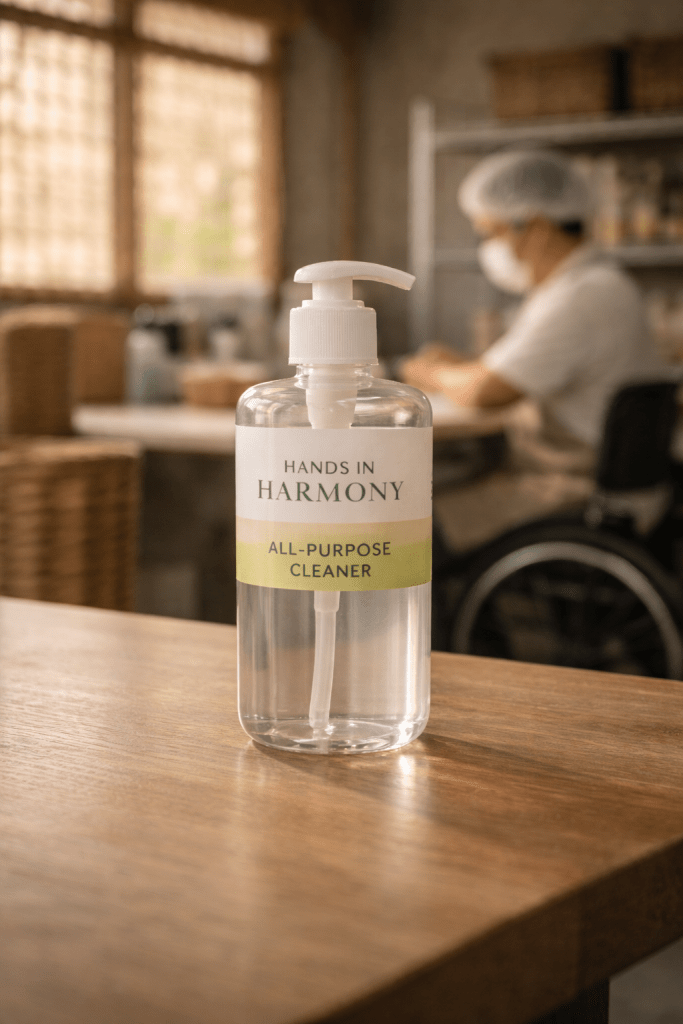
The products were made by Persons with Disabilities, working under a structured livelihood program.
This wasn’t presented as a selling point.
It wasn’t used to trigger sympathy.
It was simply a fact.
And strangely enough, it explained the consistency.
The focus.
The care.
The respect for process.
These weren’t people cutting corners.
They were people taking pride in the work.
Why This Matters—But Doesn’t Need to Be the Headline
Here’s the important part.
We didn’t keep ordering because the products were made by PWDs.
We kept ordering because the products were good.
The livelihood behind them was a bonus—not the reason.
And that’s exactly why this model works.
When products stand on their own merit:
- Buyers return naturally
- Orders become predictable
- Livelihoods become stable
- Support doesn’t depend on emotion
This is how inclusion becomes sustainable—without pity, without pressure.
What Changed in How We Buy
This experience quietly changed how we evaluate products.
We now ask:
- Will this hold up after the first order?
- Can we reorder without worry?
- Does this supplier value consistency as much as we do?
And yes—when quality is proven, it matters to us who is behind the work.
Not because we feel sorry.
But because we respect craftsmanship.
The Outcome Nobody Had to Be Convinced About
Because buyers kept reordering, something important happened.
PWD artisans had steady work.
Income became predictable.
Families could plan.
Support didn’t rely on campaigns or reminders.
It flowed naturally from demand.
That’s the quiet power of putting the product first.
When quality leads, impact follows.
A Better Way to Support (Without Changing How You Buy)
If you care about social causes or Persons with Disabilities, here’s something worth considering:
You don’t need to buy differently.
You just need to buy better.
Choose products that perform.
Choose suppliers that value consistency.
And when those products also support livelihoods, that’s not charity—that’s good judgment.
Because the most respectful way to support people isn’t to feel sorry for them.
It’s to trust their work enough to reorder it.
The Simple Choice That Makes a Real Difference
The best support doesn’t announce itself.
It looks like:
- A repeat order
- A product you don’t have to explain
- A supplier you don’t worry about
And behind that quiet reliability are people earning an honest living through honest work.
Sometimes, the strongest social impact doesn’t come from grand gestures.
It comes from choosing products that deserve to be bought again.
And buying them again.
 Hands in Harmony
Leave a comment